Reiki Massage Metaphysical Healing Service
1946 4th Ave E
Olympia WA, 98506
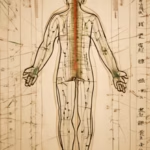
Massage therapy inspired by Shiatsu, Tui Na, and Eastern bodywork in Olympia WA supports tension relief, energy balance, and full-body recovery. Integrative sessions combine traditional techniques with modern therapeutic care to improve circulation, restore mobility, and promote long-term wellness.
Massage therapy influenced by Asian healing traditions provides a structured approach to restoring balance, reducing tension, and supporting whole-body recovery. Techniques derived from systems such as Shiatsu and Tui Na focus on the relationship between physical structure and energetic flow, recognizing that tension within the body is not isolated to muscle alone. These traditions emphasize the integration of movement, circulation, and nervous system function as a unified process. In Olympia WA, these principles are applied within modern therapeutic massage sessions, combining traditional methods with clinical understanding to create effective and adaptable treatment.
Over time, the body develops patterns of restriction through repetitive movement, stress, and postural strain. These patterns affect both muscular function and how the nervous system responds to demand. When left unaddressed, they become ingrained, limiting mobility and reducing the body’s ability to recover. Asian-inspired massage therapy works with these patterns by applying targeted pressure, assisted movement, and rhythmic techniques that encourage the body to release tension and return to a more balanced state.
Shiatsu and Tui Na are two foundational approaches within Asian bodywork traditions. Shiatsu, developed in Japan, applies sustained pressure along specific pathways to influence circulation and promote internal balance. Tui Na, originating in China, uses a combination of kneading, pressing, and rhythmic manipulation to stimulate movement within muscle and connective tissue. Both systems are based on the concept that the body functions as an interconnected whole, where restriction in one area affects the entire system.
These methods are not isolated techniques but part of a broader framework that integrates physical and neurological processes. The application of pressure and movement influences how the body responds to stress and how effectively it recovers. The relationship between structured bodywork and systemic function is explored in how clinical massage therapy integrates targeted techniques to address complex musculoskeletal conditions, demonstrating how traditional approaches align with modern therapeutic outcomes.
By combining these methods with contemporary knowledge, massage therapy sessions are able to address both surface-level tension and deeper patterns of restriction.
Asian bodywork traditions emphasize the concept of flow within the body. While often described in terms of energy, this concept also reflects measurable physiological processes such as circulation and nervous system regulation. When flow is restricted, the body experiences stiffness, discomfort, and reduced function. Massage therapy works to restore this flow by releasing tension and improving movement within tissues.
Structured pressure applied during treatment stimulates blood flow and encourages the movement of fluids throughout the body. This supports tissue repair and reduces the accumulation of metabolic waste. At the same time, rhythmic techniques influence the nervous system, helping shift the body out of a stress response and into a state associated with recovery.
This dual effect creates a more complete form of treatment, addressing both the physical and neurological aspects of tension. Over time, this leads to improved mobility, reduced discomfort, and a greater sense of overall balance.
Restricted mobility is often the result of accumulated tension within muscle and connective tissue. When these structures become tight, they limit the body’s ability to move efficiently. This creates compensation patterns that increase strain and reduce overall function.
Asian-inspired massage techniques improve mobility by combining pressure with assisted movement. This approach allows tissues to release while simultaneously restoring normal range of motion. As restrictions are reduced, movement becomes smoother and requires less effort.
For individuals experiencing deeper structural limitation, approaches outlined in myofascial release techniques that improve tissue flexibility and restore functional movement patterns provide a focused method for addressing connective tissue restriction. These techniques complement traditional methods by targeting areas that limit overall mobility.
Improved movement not only reduces discomfort but also enhances physical performance and reduces the likelihood of injury.
The nervous system plays a central role in how the body experiences tension and recovery. When it remains in a heightened state, muscles stay engaged and the body is unable to fully relax. This leads to persistent discomfort and reduced capacity for healing.
Asian-inspired massage therapy uses rhythmic and consistent techniques that encourage the nervous system to shift into a state of recovery. As this transition occurs, muscle tension decreases and physiological processes such as circulation and tissue repair become more active.
Clients often experience a reduction in stress, improved sleep, and increased overall comfort. These changes reflect a system that is becoming more balanced and less reactive to external demands.
Modern massage therapy in Olympia WA integrates traditional Asian techniques with contemporary clinical understanding. This allows for a more comprehensive approach to treatment, combining the strengths of both systems. Traditional methods provide a framework for understanding balance and flow, while modern techniques offer precision in addressing specific conditions.
This integration ensures that treatment is both effective and adaptable. Sessions can be adjusted based on the individual’s needs, allowing for variations in pressure, pacing, and technique. This creates a more personalized and results-driven experience. Practitioners may incorporate principles from Shiatsu massage methodology that balances pressure point work with whole body integration to enhance therapeutic outcomes within contemporary clinical settings.
By combining these approaches, massage therapy is able to address a wide range of conditions while maintaining a focus on long-term improvement.
The benefits of Asian-inspired massage therapy develop over time through consistent treatment. Tension patterns do not form instantly, and they require repeated intervention to fully resolve. Regular sessions reinforce the body’s ability to release tension and maintain balance.
As the body becomes more accustomed to this process, it becomes easier to sustain a state of recovery. This reduces the likelihood of recurring discomfort and supports long-term physical and mental well-being.
Consistency allows the effects of each session to build, creating more stable and lasting results. Over time, individuals experience improved mobility, reduced stress, and a greater sense of overall balance.
Massage therapy inspired by Shiatsu and Tui Na in Olympia WA is structured to adapt to the individual. Each session is guided by the body’s current condition, allowing for adjustments that ensure effectiveness without creating unnecessary strain. This approach respects both the traditional origins of the techniques and the modern understanding of therapeutic care.
The objective is not only to relieve tension in the moment, but to restore the body’s ability to regulate itself over time. By addressing both structural and neurological factors, massage therapy provides a comprehensive method for improving function and supporting long-term wellness.
Through consistent and personalized care, individuals are able to experience the benefits of traditional Asian healing methods within a modern therapeutic setting. This creates a balanced approach that supports recovery, mobility, and overall well-being while integrating traditional Chinese medicine principles from Tui Na that enhance therapeutic effectiveness.