What is Shiatsu Massage?
Shiatsu massage is a structured form of bodywork that originated in Japan and is built on principles drawn from traditional Chinese medicine, manual therapy, and functional movement. The term “shiatsu” translates directly to “finger pressure,” but the actual practice extends far beyond simple point compression. It is a full-body system designed to influence muscle tone, circulation, joint mobility, and nervous system regulation through sustained pressure, rhythmic contact, and assisted movement. Unlike many Western massage approaches that focus primarily on muscle tissue in isolation, shiatsu operates on the premise that the body functions as an integrated system, where structure, movement, and internal state are interconnected.
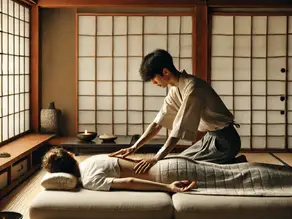
In modern application, shiatsu is often understood as a hybrid between structured massage therapy and assisted stretching. It is typically performed on a mat or low table, with the client fully clothed, allowing the practitioner to move the body through a wider range of positions without the restrictions that come with traditional table work. This approach allows for direct engagement with both superficial and deeper layers of tissue while also influencing joint mechanics and overall movement patterns. When integrated into a broader system such as professional full body massage therapy focused on tension relief, mobility, and recovery, shiatsu becomes a highly effective method for restoring balance across multiple systems of the body.
The Foundations of Shiatsu
Shiatsu is grounded in the concept that the body maintains internal balance through continuous feedback between the nervous system, muscular system, and circulatory processes. Traditional frameworks describe this balance in terms of energy flow through pathways known as meridians. While this terminology originates from Eastern medicine, it can be interpreted in practical terms as patterns of tension, restriction, and responsiveness throughout the body. Areas that feel tight, resistant, or painful often correspond to regions where movement is limited and circulation is reduced. Shiatsu addresses these areas through sustained, targeted pressure that encourages release and restores functional movement.
Unlike approaches that rely on repetitive strokes or generalized pressure, shiatsu is highly specific. The practitioner uses fingers, thumbs, palms, elbows, and occasionally knees to apply pressure directly to targeted points and along defined lines of tension. This pressure is not random. It is applied based on how the body responds in real time. Tissue density, resistance, and client feedback all guide the session. The goal is not to force change, but to create conditions where the body can shift out of restrictive patterns on its own.
How Shiatsu Differs from Other Massage Techniques
One of the defining characteristics of shiatsu is its emphasis on compression rather than gliding. In Swedish massage, for example, long strokes are used to promote circulation and relaxation. In deep tissue work, sustained pressure is applied to break down adhesions and reduce chronic tension. Shiatsu, by contrast, relies on rhythmic, stationary pressure combined with movement of the body itself. This creates a different type of stimulus for the nervous system, one that encourages the body to reorganize rather than simply relax.
Another key difference is the integration of stretching and joint mobilization. During a shiatsu session, the practitioner may move the client’s limbs through controlled ranges of motion, applying pressure while the body is being repositioned. This allows for deeper access to muscle groups that are difficult to reach through static positioning alone. It also improves coordination between muscle groups, helping the body move more efficiently after the session.
The Role of Pressure in Shiatsu
Pressure in shiatsu is applied with intention and control. It is typically slower and more sustained than in other modalities, allowing the nervous system time to process the input. When pressure is applied too quickly or aggressively, the body tends to resist, increasing muscle guarding and limiting the effectiveness of the work. Shiatsu avoids this by using gradual, consistent pressure that encourages the body to release rather than defend.
The depth of pressure can vary depending on the client’s needs and tolerance. Some areas of the body respond well to deeper compression, while others require a lighter touch. The practitioner continuously adjusts based on feedback, ensuring that the pressure remains effective without becoming overwhelming. This adaptability is one of the reasons shiatsu is suitable for a wide range of individuals, from those seeking relaxation to those dealing with chronic tension or restricted movement.
Effects on the Nervous System
Shiatsu has a direct impact on the nervous system. The combination of sustained pressure and controlled movement provides a steady stream of sensory input that helps regulate neural activity. This often results in a shift away from constant activation and toward a more balanced state. Clients frequently report feeling calmer, more grounded, and more aware of their bodies after a session.
This shift is not purely psychological. It reflects measurable changes in how the body processes sensory information. When the nervous system becomes more regulated, muscle tone decreases, breathing becomes more efficient, and overall tension is reduced. These changes contribute to both immediate relief and longer-term improvements in how the body responds to stress.
Shiatsu and Movement Patterns
Movement is a central component of shiatsu. Rather than treating the body as a static structure, the practice recognizes that function is defined by how the body moves. Restricted movement patterns often lead to compensations, where certain muscles become overactive while others become underutilized. Over time, this creates imbalances that contribute to discomfort and reduced performance.
By incorporating stretching and repositioning into the session, shiatsu addresses these imbalances directly. The practitioner guides the body through movements that it may not regularly perform, helping to restore coordination between muscle groups. This not only improves flexibility but also enhances overall efficiency of movement. Clients often notice that they feel lighter, more mobile, and more aligned after treatment.
Benefits of Shiatsu Massage
Shiatsu provides a wide range of benefits that extend beyond simple relaxation. Physically, it can reduce muscle tension, improve circulation, and increase joint mobility. It is particularly effective for individuals dealing with chronic tightness, postural strain, or limited range of motion. By addressing both the muscles and the patterns that govern their use, shiatsu offers a more comprehensive approach to physical relief.
In addition to its physical effects, shiatsu also influences mental and emotional states. The steady, rhythmic nature of the work encourages a sense of calm and stability. This can be especially beneficial for individuals experiencing high levels of stress or mental fatigue. The body and mind are closely linked, and changes in one often produce changes in the other. By working through the body, shiatsu creates conditions that support overall balance.
What to Expect During a Shiatsu Session
A typical shiatsu session begins with an assessment of how the body is functioning. This may involve observing posture, movement, and areas of tension. The client remains fully clothed, usually in comfortable, flexible attire, and the session is performed on a mat or low table. This setup allows for a greater range of movement and makes it easier to apply pressure from different angles.
During the session, the practitioner applies pressure to specific points and along lines of tension, using a combination of hands, elbows, and body weight. The client may be moved into different positions to facilitate stretching and joint mobilization. Communication is ongoing, ensuring that the pressure and movements remain appropriate and effective.
After the session, clients often feel a combination of relaxation and increased mobility. Some may experience mild soreness, particularly if deeper areas of tension were addressed, but this typically resolves quickly. The overall effect is a sense of reset, where the body feels more balanced and responsive.
Is Shiatsu Right for Everyone?
Shiatsu is generally safe for most individuals, but it may not be appropriate in all situations. Those with certain medical conditions, acute injuries, or severe structural issues should consult with a healthcare provider before beginning treatment. A qualified practitioner will adjust techniques based on the client’s condition, ensuring that the session remains both safe and effective.
For individuals seeking a more active and integrative form of bodywork, shiatsu can be an excellent option. It offers a different experience than traditional table massage, one that emphasizes movement, responsiveness, and system-wide balance. Whether used on its own or as part of a broader treatment plan, it provides a valuable approach to improving how the body feels and functions.
Conclusion
Shiatsu massage is a structured, adaptive form of bodywork that combines pressure, movement, and awareness to influence the body as a whole system. It differs from other modalities by focusing on compression, assisted movement, and real-time responsiveness rather than repetitive technique. The result is a method that not only reduces tension but also improves coordination, mobility, and internal balance.
When integrated into a comprehensive approach to bodywork, shiatsu becomes more than a standalone technique. It becomes part of a system designed to restore function, reduce stress, and support long-term physical resilience. By addressing both the mechanical and experiential aspects of the body, it offers a deeper and more effective path toward sustained well-being.