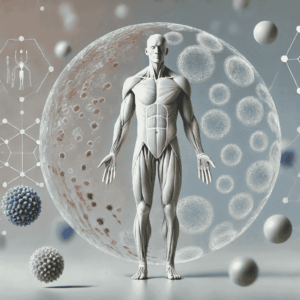
Energy Balancing Massage in Olympia
Energy balancing massage in Olympia combines therapeutic touch with focused awareness to support physical tension release, nervous system regulation, and a more coherent sense of internal balance. This approach works with the body as a living system rather than treating muscles as isolated mechanical parts. Stress, pain, fatigue, emotional pressure, and chronic tightness often overlap because the body does not separate structure, sensation, and regulation as neatly as the mind does.
People often seek this work when ordinary relaxation is not enough, when deep pressure alone does not create lasting change, or when the body seems to return to the same holding patterns after every session. Persistent shoulder tension, jaw tightness, shallow breathing, restless sleep, emotional exhaustion, and a constant feeling of being braced can all reflect a nervous system that has become accustomed to guarding.
Energy balancing massage addresses these patterns through steady touch, intentional pacing, and awareness of how the body responds moment by moment.
What Energy Balancing Massage Means
Energy balancing massage expands traditional bodywork by including attention to the body’s internal state during treatment. Instead of focusing only on the location of tight muscles, the practitioner also observes how the breath changes, how tissue responds to pressure, and whether the nervous system begins to soften or resist. This makes the session more responsive than a routine sequence of techniques.
The word energy can mean different things depending on context. In bodywork, it often refers to vitality, internal charge, tension patterns, emotional tone, breath movement, and the felt sense of whether the body is open, guarded, depleted, or overwhelmed. Energy balancing massage does not require abandoning anatomy or physiology. It simply recognizes that the body communicates through sensation, tone, temperature, rhythm, and subtle shifts in awareness.
The goal is not to force the body into relaxation. Forced relaxation is still a form of pressure. Instead, the goal is to create conditions where the body no longer needs to hold so much tension. When touch is steady, respectful, and well paced, the body can begin to reorganize itself from the inside out.
The Body as an Electrical and Sensory System
The body operates through electrical and chemical signaling. Nerves transmit information, muscles contract and release, the heart keeps rhythm, and the brain constantly evaluates whether the environment feels safe or threatening. Stress can alter these patterns. When the system remains on alert for too long, muscles may stay contracted, breathing may become shallow, digestion may slow, and sleep may become restless.
Energy balancing massage works with this system through touch, rhythm, pressure, and stillness. These are not abstract inputs. They are sensory signals. The skin, fascia, muscles, joints, and nervous system all receive information during bodywork. When that information is consistent and non‑threatening, the body may begin to shift away from defensive tone and toward recovery.
This is one reason slower work can sometimes create deeper change than aggressive pressure. The body does not release because it has been overpowered. It releases when it receives enough safety, clarity, and time to stop guarding.
How Energy Balancing Massage Supports Nervous System Regulation
Nervous system regulation is central to this work. Many people live in a state of low‑grade activation without realizing it. They may feel functional on the outside while internally carrying muscle tension, irritability, fatigue, vigilance, or emotional heaviness. Over time, the body begins to treat this activated state as normal.
During energy balancing massage, the practitioner uses touch in a way that encourages the body to downshift. This may include slow contact, sustained holds, gentle compression, broad pressure, or deeper work when the tissue is ready. The point is not whether the pressure is light or firm. The point is whether the body can receive it without increasing resistance.
As the nervous system settles, breathing often changes first. The breath may become deeper, slower, or less effortful. Muscles may soften. The jaw may unclench. The abdomen may relax. The mind may become quieter. These are signs that the body is moving out of a guarded state and into a more restorative one.
Touch as Communication
In energy balancing massage, touch is not merely mechanical. It is communication. Pressure, pace, direction, stillness, and presence all send information to the body. A rushed session may tell the body to stay alert. A forceful session may trigger resistance. A steady session gives the body enough time to recognize that it does not have to defend itself.
This is especially important for people who hold tension from stress, trauma, burnout, grief, or long‑term emotional strain. Their bodies may not respond well to purely aggressive work. Deep pressure can be useful, but only when applied with skill and sensitivity. Energy balancing massage allows depth to emerge through cooperation rather than force.
The practitioner listens with the hands. Areas of density, heat, coolness, restriction, tenderness, or subtle movement help guide the session. This creates a more intelligent form of bodywork because the treatment follows the body’s actual response instead of imposing a fixed routine.
Stress, Tension, and Pattern Holding
Chronic tension is often learned. The body braces in response to stress, and if that stress repeats often enough, the bracing becomes habitual. Shoulders rise. The neck tightens. The lower back grips. The breath shortens. The nervous system begins to associate contraction with safety.
Over time, this pattern may remain even after the original stress has passed. A person may no longer be in crisis, but the body still behaves as if it must prepare for one. This is why some tension does not resolve through stretching alone. The tissue may lengthen temporarily, but the nervous system may pull it back into the old pattern.
Energy balancing massage helps interrupt this cycle by addressing both the tissue and the regulatory pattern behind it. The muscles receive direct contact, while the nervous system receives repeated signals of safety and steadiness. With consistent sessions, the body can begin to update its baseline.
Benefits of Energy Balancing Massage
The benefits of energy balancing massage often include both physical and internal changes. Physically, clients may notice reduced muscle tightness, improved range of motion, less pressure in the neck and shoulders, easier breathing, and a greater sense of bodily comfort. These changes matter because chronic tension consumes energy. When the body is no longer working so hard to hold itself together, vitality can return.
On a nervous system level, clients may experience a calmer mood, improved sleep, less reactivity, and a greater ability to relax without trying. Some people describe feeling more grounded or more present in their body. Others notice emotional release, not because the session forces emotion, but because the body finally has enough space to stop holding everything so tightly.
Energy balancing massage may also help people reconnect with body awareness. Many people live mostly in their thoughts, especially during prolonged stress. A session can restore attention to breath, sensation, posture, and inner quiet. This return to embodiment is one of the most valuable aspects of the work.
Conditions and Patterns This Work May Support
Energy balancing massage may be useful for people dealing with stress‑related tension, chronic muscle tightness, fatigue, burnout, anxiety patterns, sleep difficulty, headaches related to muscular holding, jaw tension, shoulder restriction, and general nervous system overload. It may also support people who feel disconnected from their bodies or who have difficulty relaxing during ordinary massage.
This work is not a replacement for medical care, mental
health treatment, or diagnosis. It is a supportive bodywork approach that may complement other forms of care. Its strength lies in helping the body shift from a guarded state into a more regulated one. For people whose symptoms worsen with stress, that shift can be meaningful.
Energy balancing massage is especially appropriate when the issue is not only “tight muscles” but the pattern that keeps making those muscles tight. This distinction matters. A muscle can be worked repeatedly, but if the nervous system still believes bracing is necessary, the pattern may return. This approach works with the deeper organization behind the symptom.
Energy Balancing Massage Compared to Traditional Massage
Traditional massage often focuses on muscle groups, pressure, circulation, and relaxation. Energy balancing massage includes those elements but adds a stronger awareness of nervous system response and subtle body organization. It asks not only where the tension is located, but why the body may be holding it.
A standard massage may follow a predictable sequence. Energy balancing massage is usually more adaptive. If the body softens, the practitioner may deepen the work. If the body resists, the practitioner may slow down, broaden contact, or shift into stillness. This makes the session less about performing techniques and more about creating a therapeutic conversation with the body.
This does not make it less physical. In many cases, energy balancing massage can include firm, therapeutic contact. The difference is that depth is applied in relationship to the body’s readiness. The purpose is not simply to press harder. The purpose is to help the system release more completely.
Energy Balancing Massage and Reiki Massage
Energy balancing massage overlaps strongly with Reiki massage because both approaches recognize that touch can affect more than muscle tissue. Reiki massage combines hands‑on bodywork with energetic awareness, creating a session that may address physical tension, emotional holding, and subtle imbalance at the same time.
For many clients, this hybrid approach makes sense because the body does not experience stress in one dimension. A stressful life event may show up as neck pain, shallow breathing, emotional fatigue, digestive tension, or a sense of disconnection. Reiki massage gives the practitioner a wider framework for working with these layers while still keeping the session grounded in touch.
In Olympia,
Reiki massage sessions that combine bodywork and energy therapy offer one way to integrate energy balancing principles into therapeutic massage for nervous system regulation.
What to Expect During a Session
An energy balancing massage session is usually quiet, steady, and intentionally paced. The practitioner may begin by noticing breath, posture, and areas of visible tension. The work may include light contact, broad pressure, deeper therapeutic massage, gentle holds, or periods of stillness. The session unfolds according to how the body responds.
Clients often notice that the experience feels different from massage that simply moves from one muscle group to another. There may be more pauses, more listening, and more attention to transitions. These pauses are not empty. They give the nervous system time to integrate the work.
Some clients feel warmth, heaviness, tingling, emotional softening, or a wave of fatigue as the body begins to release. Others simply feel calm. There is no required experience. The body’s response is individual, and the practitioner’s role is to support that process without forcing it into a predetermined form.
Who Energy Balancing Massage Is Best For
This approach is well suited for people who feel chronically tense, overstimulated, emotionally worn down, or physically guarded. It may also appeal to people who enjoy massage but want something more integrative than standard relaxation work. Clients who are sensitive to aggressive pressure may appreciate the way this approach allows depth without overwhelming the body.
Energy balancing massage can also be helpful for people who know their stress lives in their body. They may say things like “I carry everything in my shoulders,” “I cannot shut my body off,” or “I feel like I am always bracing.” These statements often point to a pattern involving both tissue and nervous system regulation.
It is also appropriate for people who are curious about energy work but still want a grounded, hands‑on session. The massage component keeps the work embodied, practical, and physically relevant, while the energy balancing component allows the session to address subtler layers of holding.
Safety and Professional Boundaries
Energy balancing massage should always be practiced with clear professional boundaries, informed consent, and respect for client comfort. The client should be able to communicate pressure preferences, areas to avoid, and any concerns before or during the session. A skilled practitioner does not override the body or the person receiving care.
Because this work can affect the nervous system, it should be paced carefully. More intensity is not always better. For people with trauma histories, chronic stress, or high sensitivity, slower work may be more effective and more appropriate. The goal is to support regulation, not provoke overwhelm.
Clients with acute injuries, unexplained pain, fever, infection, blood clot risk, or serious medical concerns should seek appropriate medical guidance before receiving massage. Energy balancing massage is supportive care, not a substitute for medical diagnosis or emergency treatment.
Long Term Effects of Energy Balancing Massage
With consistent sessions, clients may notice that their baseline begins to change. They may recover from stress more easily, sleep more deeply, breathe with less effort, or recognize tension earlier before it becomes painful. These long‑term effects come from helping the body remember how to regulate itself.
The goal is not dependency on treatment. The goal is restoration of internal capacity. A well supported body should gradually become more adaptable, more resilient, and less locked into old defensive patterns. Energy balancing massage supports this by repeatedly giving the body an experience of safety, contact, and release.
Over time, the client may develop greater body awareness outside the session. They may notice when they are clenching the jaw, lifting the shoulders, holding the breath, or tightening the abdomen. This awareness becomes part of the healing process because patterns that are noticed can begin to change.
Energy Balancing Massage in Olympia, WA
Energy balancing massage in
Olympia offers a structured way to address physical tension while also working with the deeper patterns that sustain it. It is not separate from therapeutic massage. It is massage practiced with a wider awareness of the nervous system, the subtle body, and the connection between stress and muscular holding.
For clients in Olympia who want more than temporary relaxation,
energy balancing work offered as part of massage therapy can provide deeper support by meeting the body through touch, respecting the intelligence of the nervous system, and allowing release to happen through cooperation rather than force.