
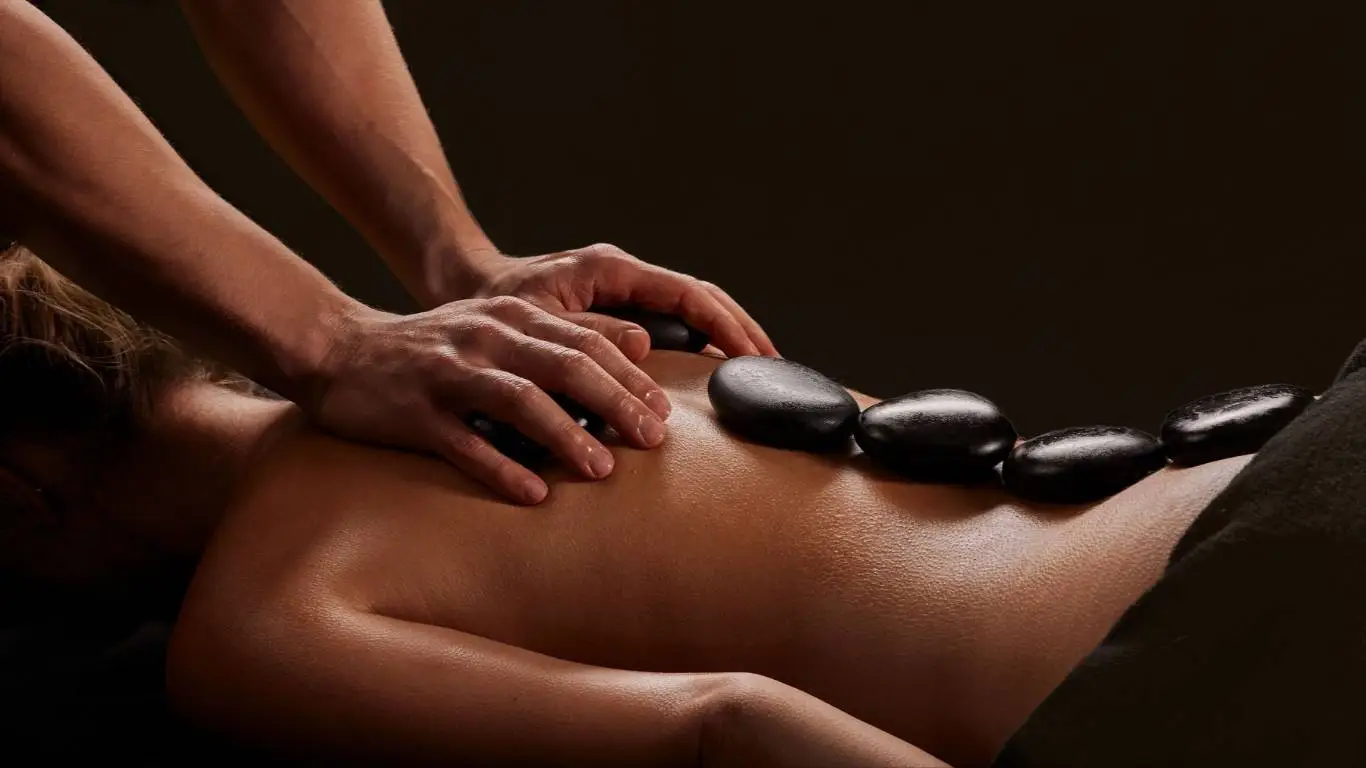
Massage therapy in Olympia WA focused on full body recovery, deep tissue relief, nervous system regulation, and long term muscular balance.
Full body and deep tissue massage in Olympia WA are designed for clients who need more than a temporary break from stress. This work supports people dealing with chronic muscle tension, physical fatigue, postural strain, restricted movement, and the kind of bodywide stress that gradually builds until it becomes difficult to ignore. Whether the goal is relaxation, pain relief, improved mobility, or general recovery, the session should be structured around what the body is actually presenting, not a fixed routine.
Clients seeking massage therapy for full body recovery, chronic tension relief, and functional movement support often need a session that blends relaxation with therapeutic precision. Some bodies need slower full body work to calm the nervous system. Others need deeper pressure in dense, restricted areas. Many need both in the same session.
Effective massage therapy does not treat the body as a collection of unrelated parts. Tension in the shoulders may connect to the neck, chest, arms, and upper back. Low back discomfort may relate to the hips, glutes, hamstrings, and postural compensation. When one area becomes restricted, another area often works harder to maintain balance.
This is why a strong massage session looks at the whole pattern. Full body massage can help the entire system relax, while deep tissue techniques can address areas that require more specific work. The result is a session that supports both immediate relief and better function after the appointment ends.
The goal is not simply to press harder or move through a checklist. The goal is to reduce unnecessary tension, improve circulation, support nervous system regulation, and help the body return to a more balanced state.
Full body massage is ideal when tension is spread across multiple areas. The session may include the back, neck, shoulders, arms, hands, legs, feet, hips, and glutes, depending on the client’s needs and comfort level. Instead of focusing on one problem spot, the work creates continuity across the body so the entire system can begin to settle.
This type of massage is especially useful for clients who feel physically tired, emotionally overloaded, or generally tense from daily life. Long work hours, repetitive movement, stress, poor sleep, and prolonged sitting or standing can all contribute to a body that feels heavy and restricted.
When full body massage is applied well, the effect is often more complete than isolated work alone. The body feels lighter, breathing becomes easier, and the nervous system has more room to shift out of a stress dominant state.
Deep tissue massage focuses on deeper layers of muscle and connective tissue where chronic tension often develops. This does not mean reckless pressure. It means slower, more specific work applied with enough patience for the tissue to respond. Deep tissue massage may be appropriate for clients dealing with dense upper back tension, tight hips, low back restriction, shoulder discomfort, or recurring muscular knots.
Many clients think they need the strongest pressure possible, but effective deep tissue work is more precise than aggressive. If the body braces against the pressure, the work becomes less productive. A skilled session gradually engages restricted tissue so the body can release without fighting the process.
Clients who want a deeper comparison of how deeper techniques affect tissue may benefit from reading about deep tissue massage versus myofascial release for muscular and fascial restriction.
Clients often seek massage therapy because their body has stopped recovering well on its own. The shoulders stay elevated, the jaw tightens, the back feels compressed, or the hips become stiff from sitting, driving, lifting, or repetitive movement. Over time, these patterns can begin to feel normal even though they are draining energy and limiting mobility.
Massage therapy helps interrupt those patterns by bringing direct attention to tissue that has become overworked, guarded, or restricted. The work can improve circulation, reduce muscular tone, and help the nervous system recognize that it no longer needs to maintain the same level of protection.
For some clients, massage is part of pain management. For others, it is part of stress recovery, athletic maintenance, or general wellness. The session should reflect the reason the client is there rather than forcing every person into the same style of work.
Massage affects more than muscle. It also influences the nervous system, which plays a central role in how tension is created and maintained. When the body is under constant stress, it often remains in a state of partial contraction. This affects posture, breathing, digestion, sleep, and recovery.
Therapeutic touch can help shift the body toward parasympathetic activity, where rest and repair become more available. This is one reason clients often report improved sleep, reduced anxiety, and a clearer mind after massage. The physical release and the neurological shift are connected.
For a deeper explanation of this process, the article on the neurobiology of touch and its role in stress regulation and mental clarity provides useful context.
Each session is adapted to the client. Some sessions lean more toward full body relaxation. Others emphasize deep tissue work in specific regions. A session may also combine broad calming work with focused therapeutic attention where the body needs more help.
The session often begins with broader contact to assess tissue quality and help the nervous system settle. From there, pressure and technique are adjusted based on how the body responds. This may include slow gliding strokes, sustained compression, deeper focused pressure, trigger point work, or myofascial style techniques.
The best massage is responsive. It changes based on the client’s tissue, goals, and tolerance. That responsiveness is what separates useful therapeutic work from a generic routine.
Full body and deep tissue massage can benefit office workers, tradespeople, athletes, healthcare workers, caregivers, drivers, and anyone whose body carries stress through repetitive movement or prolonged positioning. It is also appropriate for clients who feel physically tense but cannot identify one single source of discomfort.
Full body massage is often the better fit when the goal is overall relaxation, stress relief, and systemic reset. Deep tissue massage may be better when tension is more persistent, dense, or localized. Many clients benefit from alternating between the two depending on how their body feels over time.
Massage can also be used proactively. Waiting until tension becomes painful often makes the pattern harder to unwind. Consistent bodywork helps maintain mobility, reduce stress accumulation, and support a more stable physical baseline.
Massage therapy in Olympia WA should provide more than a temporary sense of relaxation. It should help the body move better, recover more efficiently, and release tension in a way that feels meaningful after the session is over. Whether the work is full body, deep tissue, or a blend of both, the goal is to support the whole system.
When massage is applied with skill, it becomes a practical tool for recovery, stress regulation, pain reduction, and long term body maintenance. It helps clients feel more present in their body, less restricted in movement, and better able to handle the physical demands of daily life.