
Deep Tissue Massage in Olympia WA
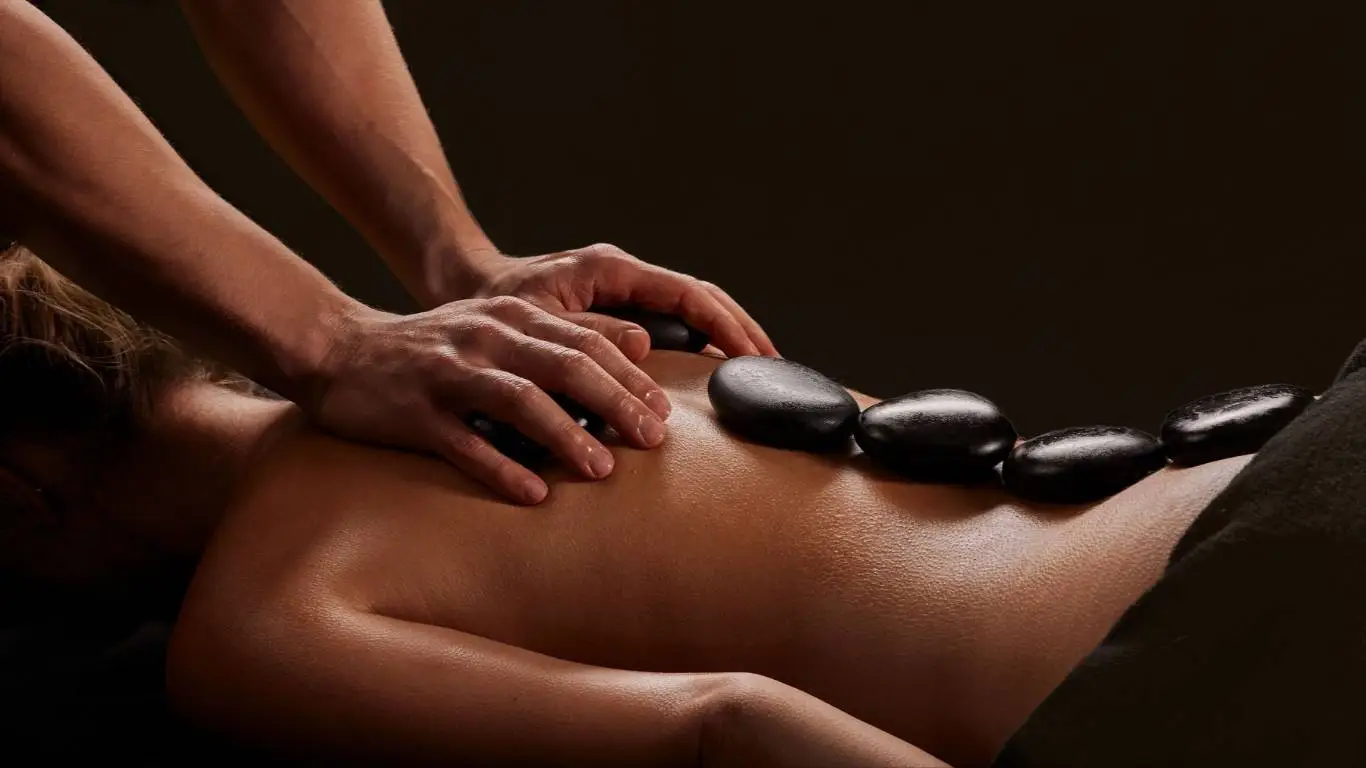
Deep tissue massage in Olympia WA focused on relieving chronic tension, restoring mobility, and improving functional movement.
Deep tissue massage in Olympia WA is used to address chronic muscle tension, postural strain, restricted movement, and recurring pain patterns that do not resolve with lighter work. This is not general relaxation massage. It is structured bodywork designed to target deeper layers of muscle and connective tissue where long held tension and compensation patterns develop.
Many clients seeking deeper work are dealing with a body that feels locked, resistant, or constantly tight. Shoulders remain elevated, the lower back carries fatigue, hips lose mobility, and the neck holds tension that never fully releases. In these cases, deeper work can be useful when it is applied with precision and awareness. Clients looking for therapeutic massage for chronic tension relief and functional movement restoration often turn to deep tissue massage as a more direct solution.
What Deep Tissue Massage Actually Does
Deep tissue massage works into deeper muscular and fascial layers using slower, more deliberate pressure. The goal is not intensity for its own sake. It is to reduce restriction, improve tissue quality, and restore more natural movement patterns. This type of work can influence both muscle fibers and connective tissue, which is where long term tension is often held.
When muscles remain contracted over long periods, they can lose elasticity and begin to restrict surrounding structures. This affects circulation, joint mobility, and overall movement efficiency. Deep tissue massage helps reverse this process by applying sustained pressure and controlled movement to areas that have become dense or resistant.
From a physiological standpoint, the work also affects the nervous system. Chronic tension is not purely mechanical. It is reinforced by neurological patterns that keep the body in a guarded state. Effective deep tissue massage helps interrupt those signals, allowing muscles to release without triggering defensive contraction.
Common Reasons People Seek Deep Tissue Massage
One of the most common reasons is accumulated tension from daily life. Desk work, repetitive motion, long hours driving, and physical stress gradually build restriction in the body. Over time this appears as stiffness, reduced range of motion, and discomfort that does not go away with rest alone.
Another common reason is physical activity. Strength training, running, and sports can create dense, overused tissue that stretching alone cannot resolve. Deep tissue massage can help restore balance between muscle groups and reduce the feeling of constant tightness or fatigue.
Clients also seek this work when they want something more effective than general massage. They are not looking for a routine. They want a session that targets specific issues and produces a noticeable change in how their body moves and feels.
Deep Tissue Massage for Muscle Knots and Pain Patterns
Muscle knots, often referred to as trigger points, are one of the most common sources of persistent discomfort. These areas form when muscle fibers remain contracted and develop localized tension that can radiate pain into other regions. This is why shoulder tension can lead to headaches or hip tension can affect the lower back.
Deep tissue massage addresses these areas by working into the surrounding tissue and reducing the overall load on the affected muscle. When combined with targeted techniques, it becomes more effective at resolving stubborn tension patterns. Clients who want a clearer understanding of this relationship can explore trigger point therapy for muscle knots and referred pain patterns.
This combination of broader pressure and targeted work is often what produces the most noticeable results. It allows the body to release both the immediate tension and the underlying pattern that caused it.
How Sessions Are Structured
Deep tissue sessions are not fixed routines. They are shaped around what the body needs. Some sessions focus heavily on one area such as the neck, shoulders, or lower back. Others combine full body work with deeper attention to specific regions.
The session often begins with broader contact to assess tissue quality and calm the nervous system. From there, pressure gradually increases where appropriate. This progression allows deeper layers to be accessed without triggering resistance.
Techniques may include slow gliding strokes, sustained pressure, compression, and targeted work into areas of restriction. The key factor is responsiveness. The practitioner adjusts pressure and pacing based on how the tissue responds, not based on a predetermined routine.
Deep Tissue Massage and Fascial Restriction
Fascia plays a major role in how the body moves and holds tension. When fascial layers become restricted, they can limit mobility and create a feeling of tightness that does not resolve easily. Deep tissue massage can help address these restrictions by applying pressure that affects both muscle and connective tissue.
However, deep tissue work is not identical to myofascial techniques. While both approaches overlap, they target tissue in slightly different ways. Deep tissue massage tends to focus more on muscle density and chronic contraction, while myofascial work focuses more specifically on connective tissue glide and restriction.
Understanding the difference can help clarify why certain techniques feel different but serve a similar purpose. For a more detailed comparison, see deep tissue massage versus myofascial release for connective tissue restriction.
Who Benefits Most from This Work
Deep tissue massage is well suited for individuals dealing with chronic tension, postural strain, repetitive use patterns, or general stiffness that does not resolve on its own. This includes office workers, laborers, athletes, and anyone whose body feels consistently restricted.
It is also appropriate for those who prefer a more therapeutic approach rather than a relaxation focused session. That said, deep tissue does not always mean extreme pressure. The session can be adjusted to match what the body can receive while still moving toward relief.
Deep Tissue Massage for Long Term Relief
One session can create noticeable change, but long term patterns often require consistency. When the body has adapted to holding tension, it may return to that state unless the pattern is interrupted repeatedly. Deep tissue massage helps by gradually reducing the body’s reliance on those patterns.
Over time, this can lead to improved movement, reduced discomfort, and a more balanced distribution of tension. Many clients find that as these patterns change, the need for frequent intensive work decreases and maintenance becomes more manageable.
Deep Tissue Massage in Olympia WA with a Functional Approach
Deep tissue massage in Olympia WA is most effective when it is applied with purpose. It should address the areas contributing to tension while also considering how those areas connect to the rest of the body. When done correctly, it supports both immediate relief and long term improvement.
The goal is not just intensity. The goal is function. A well executed session should leave the body feeling less restricted, more mobile, and better able to handle daily stress and activity. This is what separates effective deep tissue massage from work that simply feels intense without producing meaningful change.