
What to Eat After a Massage
What you eat after a massage can influence how your body feels for the rest of the day. While massage therapy primarily affects muscle tension, circulation, and the nervous system, your food choices afterward can either support that shift or work against it. Choosing the right foods helps maintain relaxation, avoid discomfort, and support recovery without placing unnecessary strain on digestion. When combined with massage therapy and proper nutrition for muscle recovery and overall wellness, simple dietary choices can extend the benefits of your session.
Why Eating After a Massage Matters
After a massage, your body is typically in a relaxed, parasympathetic state. Blood flow has increased in areas that were worked, and muscle tension has decreased. During this period, the body is more focused on recovery and regulation rather than high-demand digestion.
Eating heavy or difficult-to-digest foods immediately after a session can interfere with that relaxed state. On the other hand, lighter, balanced foods allow the body to maintain that calm baseline while still providing energy and nutrients.
Best Foods to Eat After a Massage
The most effective foods after a massage are those that are easy to digest, moderately hydrating, and nutritionally balanced. This does not mean restrictive eating, but rather choosing foods that align with how your body is functioning post-session.
Good options include:
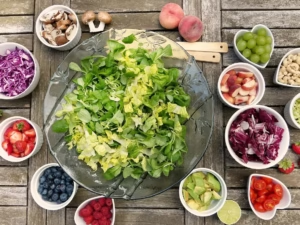
- Fresh fruits such as berries, oranges, or watermelon
- Light salads with simple ingredients
- Lean proteins like chicken, fish, tofu, or yogurt
- Smoothies with fruit and protein
- Whole grains in moderate portions such as rice or quinoa
These foods provide nutrients without overwhelming the digestive system. They also help maintain steady energy levels rather than causing spikes or crashes.
Hydrating Foods and Fluids
Hydration plays a supporting role after massage. While massage does not “release toxins” in the literal sense, it does influence circulation and muscle activity. Staying hydrated helps maintain normal function as the body transitions out of the session.
Foods with high water content can contribute to hydration. These include fruits like watermelon, cucumber, citrus, and berries. Fluids such as water and herbal teas are the most effective choices.
Moderate hydration is the goal. There is no need to force excessive fluid intake, but maintaining normal hydration supports overall comfort and recovery.
What to Eat After Deep Tissue Massage
After a deeper session, the body may feel more sensitive or slightly fatigued. In these cases, slightly more structured nutrition can help support recovery.
Combining protein and carbohydrates is effective. For example, grilled chicken with vegetables, yogurt with fruit, or a smoothie with protein can provide steady energy while supporting muscle repair.
The key difference after deep work is not the type of food, but the need for balanced intake rather than just light snacking.
What to Eat After Lymphatic or Light Massage
After lighter sessions, including relaxation or lymphatic-focused work, appetite may be reduced. In these cases, smaller portions are often more appropriate.
Light meals such as fruit, simple salads, or broth-based foods tend to feel better than dense or heavy options. The goal is to maintain comfort rather than force intake.
Foods to Avoid After a Massage
Some foods are more likely to disrupt how you feel after a session. These do not need to be eliminated entirely, but avoiding them immediately after massage improves the overall experience.
Common foods to avoid include:
- Fried or greasy foods
- Highly processed snacks
- Large, heavy meals
- Excessive sugar
- Very spicy foods
- Alcohol immediately after a session
These foods can slow digestion, create discomfort, or shift the body out of a relaxed state too quickly. This can reduce the perceived benefits of the massage.
Timing Your Meal After a Massage
You do not need to eat immediately after a massage. Many people feel best waiting 30 to 60 minutes before having a full meal. This allows the body to settle and maintain the relaxed state created during the session.
If you are hungry right away, a small snack is appropriate. Larger meals can be spaced slightly later to avoid overwhelming digestion.
Snacks vs Full Meals
Whether you choose a snack or a full meal depends on your schedule and hunger level. Both can be appropriate if chosen correctly.
Snacks are ideal if:
- You are not very hungry
- You plan to eat later
- You want to maintain a light feeling
Full meals are appropriate if:
- You have not eaten for several hours
- You need sustained energy
- You had a more physically intensive session
In both cases, the focus remains on balance and digestibility.
How Nutrition Affects Post Massage Feeling
The way you feel after a massage is influenced by more than the session itself. Nutrition can either stabilize that relaxed state or disrupt it. Heavy meals can create sluggishness, while light balanced foods help maintain clarity and comfort.
This is not about strict dietary rules, but about matching intake to the state of the body. After massage, the body favors simplicity and balance.
Common Misconceptions
One of the most common misconceptions is that specific foods are required to “detox” after massage. The body does not require special detox foods after a session. Normal digestion and hydration are sufficient to maintain balance.
Another misconception is that you should avoid eating altogether. Skipping food entirely is not necessary unless you are not hungry. Listening to your body is more effective than following rigid rules.
Long Term Perspective
What you eat after a single session matters less than overall consistency. Regular hydration, balanced meals, and reasonable portion sizes will influence how your body responds to massage over time.
Massage and nutrition are part of the same system. One affects the body physically, while the other supports how that physical state is maintained. When both are aligned, results tend to be more stable and predictable.
Final Perspective
Eating after a massage does not require a complicated plan. Light, balanced, and easy-to-digest foods are the most effective choice. Avoiding heavy, processed, or overly rich foods immediately after a session helps maintain the relaxed state created during the treatment.
Focus on simple hydration, moderate portions, and paying attention to how your body feels. When paired with consistent massage therapy, these small adjustments can improve comfort, recovery, and overall results.