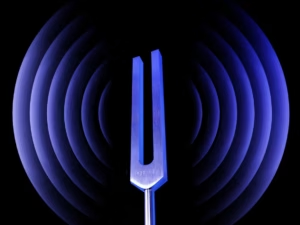
Tuning forks are simple metal instruments that produce a clear tone and steady vibration when struck. In health and wellness settings they are sometimes used to deliver focused sound and vibration to the body. The practical goal is usually the same as other forms of bodywork: help the system downshift loosen held tension and support a more regulated state. While the tool itself is straightforward the real work of lasting change still comes from skilled hands on techniques.
This page looks at how therapeutic massage and Reiki massage deliver the outcomes people often seek when they explore tools like tuning forks. Vibration can still be included as secondary support but the primary pathway remains direct physical and energetic bodywork that produces measurable shifts in tissue and nervous system activity.
How Skilled Massage Therapy Creates Real Change in the Body
The body responds most reliably to consistent skilled contact. When a trained practitioner applies controlled pressure and movement the tissue releases held patterns circulation improves and the nervous system begins to reduce protective guarding. These changes are both immediate and cumulative. Over a series of sessions the baseline level of muscle tone often decreases and recovery between visits becomes more efficient.
Therapeutic massage works through multiple pathways at once. Mechanical input lengthens shortened tissue. Improved blood flow delivers oxygen and nutrients while clearing metabolic byproducts. The nervous system registers the contact as safe and starts to down regulate. Clients who arrive with chronic tightness or residual stiffness from daily stress frequently notice that the same areas that felt rigid at the start of the session move more freely by the end.
This is not temporary softening. With consistent work the tissue begins to hold less residual tension and the protective patterns that keep the body braced start to ease. The upper back and shoulders that typically round forward under stress begin to open. The low back that compensates for forward posture starts to lengthen. These changes compound across sessions and create a noticeable difference in how the body carries itself through daily activity.
Understanding the Role of Vibration and Sound as Secondary Support
Tuning forks and other sound based tools produce predictable vibration that the body can feel and hear. On a physical level the metal vibrates at a specific rate and that movement can be transmitted into tissue as a small localized buzz. The body tends to relax when exposed to slow rhythmic input and tends to brace against harsh irregular shocks. Gentle vibration can influence how tightly muscles are holding and how strongly pain signals are being interpreted.
These effects are real but limited. Vibration alone does not produce the same depth of structural change that skilled hands on work creates. It can support a quieter internal state and help the nervous system settle but it does not replace the mechanical input needed to lengthen shortened tissue or restore mobility in restricted areas. This is why sound based tools function best as secondary options rather than the main method.
When vibration is used at all it is most effective when layered onto a foundation of therapeutic massage. The hands on work creates the primary release. The added vibration may help the system stay soft after the deeper work is complete. The hierarchy remains clear. Skilled contact drives the structural change. Optional sound support can enhance the regulatory effect for some people.
Why People Seek Regulatory Bodywork
The most common reasons people look for any form of balancing or regulatory work are stress residual pain and a general sense of being overdriven. They want the body to stop bracing. They want breathing to feel less restricted. They want a clearer reference point for what relaxed actually feels like. These are practical outcomes that therapeutic massage and Reiki massage are specifically designed to produce.
Some people notice very tangible physical changes after consistent sessions. A shoulder that was guarding drops. A headache eases. Breath moves more freely into the rib cage. Others experience the shift more on the regulatory side. The constant background noise of worry decreases. The ability to settle after a demanding day improves. The sense of internal pressure softens. In both cases the change follows from the same mechanism: consistent skilled input that the body can trust and adapt to.
Reiki massage adds a steady non forcing presence that further supports the nervous system in moving out of defensive activation. The physical techniques continue while the energetic layer helps the system register safety more completely. This combination often produces a more thorough regulatory effect than either approach alone.
How Therapeutic Massage and Reiki Massage Are Applied
Sessions begin with attention to how the body is presenting that day. The practitioner tracks areas of holding restricted movement and elevated tone. Work is then applied in a way that matches the current state of the tissue and the nervous system. Some days emphasize broader circulatory techniques that warm and prepare the body. Other days include deeper focused work on specific zones of restriction.
Pressure and pacing are always adjusted according to client feedback. The goal is to create change without triggering a defensive response. When the tissue yields and the breath deepens the session is working. When the body braces the approach is modified. This responsiveness is what separates skilled bodywork from formulaic techniques.
Reiki can be layered throughout the massage or applied in specific moments when the system needs additional support to settle. The physical work remains primary. The energetic component supports the regulatory shift. Optional tools such as tuning forks may be introduced if they serve the individual but they never replace the hands on foundation.
What Consistent Bodywork Actually Delivers
There is solid evidence that skilled touch and sustained contact can influence muscle tone perceived stress and subjective pain. Anything that reliably moves someone toward a calmer autonomic state reduces guarding and gives them a felt sense of safety tends to produce knock on benefits for sleep digestion and mood. Therapeutic massage and Reiki massage sit in this category as primary methods rather than supporting tools.
The honest position is to treat any additional modalities as secondary. They can enhance the overall effect for some people but they do not drive the core change. The core change comes from consistent skilled contact that the tissue and nervous system can adapt to over time. Occasional sessions provide temporary relief. Regular sessions change the baseline.
Clients who schedule consistent work often notice that the same stressors that once produced significant tightness now produce less residual holding. Recovery between sessions improves. The body requires less effort to maintain upright posture and free movement. These are practical measurable outcomes that accumulate across a series of sessions.
Limits and Realistic Expectations
No form of bodywork mends a torn ligament or resolves severe medical conditions. What skilled therapeutic massage and Reiki massage can do is make it easier for the body to release held patterns and for the nervous system to spend more time in a regulated state. They support the body’s existing capacity for recovery rather than claiming to override biology.
Used well the work is quiet non intrusive and respectful of the client’s pace. It does not require belief in any particular framework to produce results. It simply requires consistent appropriate input and a willingness to notice what shifts under skilled contact. Used poorly any tool including massage can become a vehicle for inflated claims. The difference is not in the method. It is in the honesty of the practitioner and the clarity of the focus.
Where Hands On Bodywork Fits in a Realistic Approach
In a practical treatment plan therapeutic massage and Reiki massage form the foundation. They address both the structural layer and the regulatory layer in the same session. Optional tools such as tuning forks can help prepare the nervous system or support integration at the end of a session but they remain secondary.
For clients who are touch sensitive or highly over stimulated the work can be paced more gently while still producing meaningful change. For clients carrying significant residual tension the work can go deeper while remaining responsive. In every case the priority stays on skilled hands on techniques that create measurable shifts in tissue and nervous system activity.
Choosing Therapeutic Massage or Reiki Massage for Lasting Results
The most effective starting point matches the current state of the body. If the primary complaint is physical tension and restricted movement a focused session of professional massage therapy is usually the strongest choice. If the client also wants support for mental quiet and deeper nervous system regulation integrated Reiki bodywork often provides a more complete response. Both approaches keep the emphasis on skilled hands on work.
Consistency matters more than intensity. The body adapts to regular skilled input by lowering its baseline of tension and improving its capacity for recovery. Over time this produces more stable change than occasional sessions that only address the most urgent symptoms. The goal is not temporary relief. The goal is a body that holds less residual tension and recovers more efficiently between visits.