The Heart Chakra
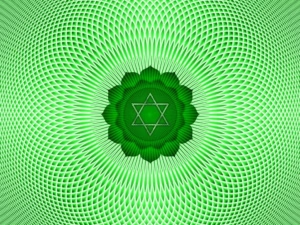
The heart chakra, known as Anahata, is the fourth primary energy center within traditional chakra systems. It is located in the center of the chest and is associated with love, compassion, and emotional connection. This region represents the balance between physical and internal processes, influencing how individuals relate to themselves and others.
Understanding the heart chakra provides a framework for observing patterns related to empathy, trust, and emotional stability. Rather than treating these qualities as separate, this perspective highlights how they are connected to broader systems within the body.
Location and Physical Associations
The heart chakra corresponds to the chest area, including the heart, lungs, and circulatory system. These structures are responsible for oxygen exchange and circulation, both of which are essential for sustaining life. The region is also associated with the immune system and overall resilience.
When functioning effectively, this system supports steady breathing, balanced circulation, and a stable internal state. Disruption in this area may contribute to tension in the chest, irregular breathing patterns, or reduced capacity to manage stress.
Symbolism and Functional Meaning
The heart chakra is traditionally linked to the element of air, representing expansion, movement, and openness. This symbolism reflects the role of this region in allowing emotional and physical processes to flow without restriction.
Rather than interpreting symbolism as abstract, it can be understood as a description of function. The ability to remain open while maintaining stability is central to how this region operates within the body.
Role in Emotional Regulation
This chakra plays a significant role in how individuals process emotions and form connections. When balanced, it supports compassion, empathy, and the ability to maintain healthy relationships. It allows individuals to engage with others without becoming overwhelmed or withdrawn.
When disrupted, this balance may shift toward isolation, resentment, or difficulty trusting others. These patterns often reflect broader imbalances in how the body manages stress and emotional input.
Connection to Relationships
The heart chakra influences how individuals connect with others. Balanced function supports clear communication, mutual understanding, and emotional stability within relationships. It allows for both giving and receiving support in a consistent way.
Imbalance may lead to difficulty forming or maintaining connections, resulting in strained interactions or withdrawal. These patterns are often linked to unresolved emotional stress or prolonged tension within the system.
Signs of Imbalance
Imbalance in this region may appear through both physical and emotional symptoms. Physically, this may include tightness in the chest, shallow breathing, or reduced energy levels. Emotionally, it may present as loneliness, defensiveness, or difficulty expressing compassion.
Recognizing these patterns provides a starting point for restoring balance. These signs reflect how the body responds to prolonged stress or disruption in internal regulation.
Approaches to Restoring Balance
Restoring balance in the heart region involves supporting both physical function and emotional regulation. Practices that encourage steady breathing and relaxed posture can help reduce tension in the chest. Activities that promote connection and positive interaction may also support this area.
Mindfulness techniques, including attention to breath and internal awareness, can improve how emotional states are processed. These approaches work together to create a more stable and adaptable internal environment.
Integration Within Holistic Health
The heart chakra is part of a larger system where physical processes, emotional patterns, and nervous system regulation are interconnected. Addressing one aspect without considering the others may limit overall effectiveness.
To understand how chakra-based models fit within a broader framework of integrative care, visit a trusted source for holistic healing in Olympia, where these concepts are connected to a comprehensive approach to physical and internal balance.
Conclusion
The heart chakra represents the center of connection and emotional balance within the body. By understanding its role and supporting its function, individuals can improve both relationships and overall stability.
This perspective emphasizes that lasting balance comes from consistent attention to how physical and emotional systems interact, rather than relying on isolated techniques.