
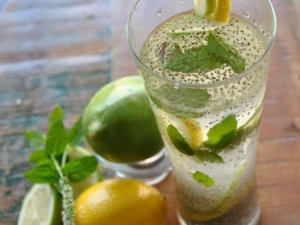
Hydration After Massage Therapy
Hydration after massage therapy is often recommended, but the reasons are frequently misunderstood. Many people are told to drink water after a session without being given a clear explanation of why it matters or how much is actually necessary. Understanding hydration in practical terms helps you get better results from your session and avoid common post-massage discomfort. When used correctly, massage therapy and proper hydration for recovery and muscle function work together to support how your body responds after treatment.
Does Massage Actually Dehydrate You?
Massage itself does not directly dehydrate the body. It does not pull water out of your system or create fluid loss in the way exercise or heat exposure might. However, massage does influence circulation, muscle activity, and the nervous system, which can change how your body feels afterward.
Because of this, hydration becomes supportive rather than corrective. Drinking water helps maintain normal function as the body shifts out of a session, especially if muscles have been worked deeply or if the session was longer in duration.
Why People Are Told to Drink Water After Massage
The recommendation to drink water after massage is often explained using the idea of “toxins being released.” This explanation is oversimplified and not accurate in a literal sense. The body already has systems in place to process and eliminate waste, primarily through the liver and kidneys.
What actually changes during massage is circulation and tissue movement. Muscles that have been tight or restricted begin to relax, and blood flow increases to those areas. Drinking water supports normal circulation and helps the body maintain balance after that shift. It is not flushing toxins, but it is supporting the body as it returns to baseline.
How Much Water Should You Drink After a Massage?
There is no exact amount that applies to everyone, but a simple guideline is to drink a glass of water within an hour after your session and continue normal hydration throughout the day. For most people, this means adding one to two extra glasses beyond their usual intake.
The goal is not to overhydrate. Drinking excessive amounts of water does not increase the benefits of massage and may create discomfort. Instead, focus on steady, normal intake and respond to your body’s signals such as thirst, dryness, or fatigue.
Signs You May Need More Hydration
After a massage, your body may give signals that hydration would be helpful. These can include mild headache, fatigue, a sense of heaviness, or lingering soreness. These symptoms are not caused by dehydration alone, but hydration can influence how strongly they are felt.
Other signs include dry mouth, darker urine, or general sluggishness. If these occur, increasing water intake gradually can help restore balance and improve how you feel after your session.
Hydration and Muscle Recovery
Muscles rely on fluid balance to function properly. When tissue has been worked during a massage, especially in areas of tightness, it benefits from normal hydration levels to maintain flexibility and reduce stiffness. Water supports how muscle fibers slide and contract, which can influence how you feel in the hours following a session.
This is particularly relevant after deep tissue work or sessions focused on chronic tension. As the body adjusts to reduced tightness, hydration supports the transition into more normal movement patterns.
Does Hydration Prevent Post Massage Soreness?
Soreness after massage is usually related to the intensity of the work and the condition of the tissue before the session. Hydration alone will not prevent soreness, but it can influence how the body manages that response.
When hydration is adequate, circulation remains efficient and tissue recovery may feel smoother. When hydration is low, the body may feel more sluggish, and soreness can feel more pronounced. This is not a direct cause and effect, but it is a contributing factor.
Timing of Hydration After Massage
Hydration does not need to happen immediately, but it should not be delayed for long periods. Drinking water within the first hour after your session is a practical approach. Continuing to drink normally throughout the rest of the day is more important than trying to consume a large amount all at once.
Spacing intake over time allows the body to use fluids effectively rather than overwhelming the system. Consistency matters more than quantity in a short window.
Are Electrolytes Necessary After Massage?
For most standard massage sessions, electrolytes are not required. Water is sufficient for maintaining normal hydration. Electrolytes become more relevant if the massage is combined with heavy physical activity, heat exposure, or significant sweating.
In those cases, small amounts of electrolyte-containing fluids may help maintain balance. However, for typical sessions focused on relaxation or muscle tension, plain water is enough.
Can You Drink Other Beverages Instead of Water?
Water is the most direct and effective choice, but other fluids can contribute to hydration. Herbal teas, lightly flavored water, or low-sugar beverages can be used if they encourage consistent intake. Beverages high in caffeine or sugar are less effective for hydration and may counteract the calming effects of the massage.
The key is choosing options that support hydration without adding unnecessary strain to the system. Simple, consistent intake is more effective than complex hydration strategies.
Hydration Myths After Massage
One of the most common myths is that massage releases toxins that must be flushed out immediately. This idea persists because it is easy to understand, but it does not reflect how the body actually works. Massage influences circulation and tissue condition, not toxin release in a literal sense.
Another misconception is that more water always means better results. Overhydration does not increase the benefits of massage and can lead to discomfort. Balanced intake is more effective than excessive intake.
When Hydration Matters More
Hydration becomes more important in certain situations. These include deep tissue sessions, long duration treatments, individuals with higher physical activity levels, and those who already have low baseline hydration. In these cases, being more intentional about fluid intake can improve how the body responds.
It is also more relevant in hot environments or when the body is already under stress. In these conditions, maintaining hydration helps support overall function beyond the effects of the massage itself.
Long Term Hydration and Massage Benefits
Hydration is not just a post-session concern. Long-term hydration habits influence how the body responds to massage over time. Consistently low hydration can contribute to stiffness, reduced flexibility, and slower recovery. Consistent hydration supports better tissue quality and more predictable results from bodywork.
Massage and hydration work together as part of a broader system. Neither replaces the other, but both contribute to how the body maintains balance and function.
Final Perspective
Hydration after massage therapy is not about flushing toxins or following rigid rules. It is about supporting normal body function as circulation and muscle activity change after a session. Drinking water in a steady, balanced way helps maintain comfort, reduce unnecessary discomfort, and support recovery.
For most people, simple awareness is enough. Drink a moderate amount of water after your session, continue normal intake throughout the day, and pay attention to how your body responds. When combined with consistent massage, this approach helps create more reliable and lasting results.