
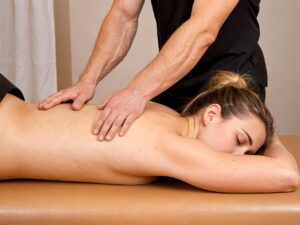
Full Body Massage in Olympia, WA
A full body massage is a structured, systematic form of massage therapy that works across all major regions of the body within a single session. Rather than isolating one area of discomfort, it addresses the body as an integrated system where tension, restriction, and stress patterns are interconnected. This approach allows for more complete and lasting results compared to localized treatment.
In Olympia, WA, the demand for full body massage continues to grow as more individuals recognize that chronic tension rarely exists in isolation. Daily life introduces repetitive stress through posture, movement habits, and mental load. These inputs accumulate over time and express themselves through the musculoskeletal system. A full body session works through these accumulated patterns rather than chasing symptoms from one area to another.
The Structure of a Full Body Massage Session
A full body massage follows a deliberate progression that allows the nervous system to settle while the tissues are gradually worked. The session typically begins with the back, where large muscle groups hold a significant amount of accumulated tension. From there, the work transitions through the shoulders, neck, arms, and hands before moving into the lower body, including the hips, legs, and feet.
This sequence is not arbitrary. It is designed to create continuity across the body so that areas already treated are not immediately reactivated by untreated regions. By maintaining this continuity, the body is able to integrate the work more effectively. The result is not simply temporary relief, but a shift in how tension is distributed and held.
Why Full Body Massage Produces Better Outcomes
Localized massage can provide relief, but it often fails to address the underlying cause of tension. For example, neck pain may originate from shoulder restriction, and lower back discomfort may be influenced by tight hips or hamstrings. Treating one area without addressing related structures often leads to short-term improvement followed by recurrence.
A full body massage resolves this limitation by working through the entire kinetic chain. Muscles, fascia, and joints do not operate independently. They function as part of a coordinated system. When that system is addressed as a whole, compensation patterns begin to unwind rather than shift from one area to another.
Mechanical Effects on Muscle and Fascia
Massage therapy produces direct mechanical effects on soft tissue. Pressure applied to muscles and fascia helps break up adhesions, reduce density in tight areas, and restore elasticity to tissues that have become restricted. This improves the ability of muscles to contract and relax efficiently.
Fascia, which surrounds and connects all muscular structures, responds particularly well to consistent, sustained pressure. When fascial restrictions are reduced, movement becomes smoother and less effort is required for everyday activity. This contributes to both pain reduction and improved performance.
Nervous System Regulation
One of the most significant effects of a full body massage occurs within the nervous system. Chronic stress keeps the body in a heightened state of activation, where muscles remain partially contracted and recovery processes are limited. This state becomes normalized over time, even when it is no longer beneficial.
Massage therapy shifts the body toward a more regulated state by activating the parasympathetic nervous system. As this shift occurs, muscle tone decreases, breathing deepens, and the body becomes more receptive to change. This is why full body sessions often produce a sense of calm that extends beyond the physical experience.
Circulation and Fluid Movement
Full body massage improves circulation by mechanically assisting the movement of blood through the tissues. This enhances the delivery of oxygen and nutrients while supporting the removal of metabolic waste. Improved circulation contributes to faster recovery and reduced soreness following physical activity.
The lymphatic system also benefits from massage. Although not directly pumped like the cardiovascular system, lymphatic flow can be supported through consistent pressure and movement. This helps reduce fluid buildup and supports immune function.
Common Patterns Addressed in Full Body Massage
Most individuals present with a predictable set of tension patterns. The upper back and shoulders are commonly affected by posture and repetitive activity. The neck reflects both physical strain and stress-related tension. The lower back often compensates for restricted movement in the hips and legs.
The hips themselves are a central point of restriction for many people. Limited mobility in this region can influence both the lower back and the legs. Tight hamstrings and calves further contribute to altered movement patterns. A full body massage addresses each of these regions in relation to one another, allowing for more complete resolution of tension.
Adaptation Over Time
The body adapts to repeated inputs. This applies to both stress and therapeutic work. A single full body massage can produce noticeable changes, but those changes are often temporary if not reinforced. Regular sessions allow the body to adopt new patterns more permanently.
With consistency, muscles begin to hold less baseline tension, movement becomes more efficient, and recovery improves. These changes compound over time, making each session more effective than the last. This is why individuals who receive massage regularly often experience greater overall benefit than those who seek it only when discomfort becomes severe.
Customization Within a Full Body Framework
Although the session covers the entire body, it is not evenly distributed. Areas of greater restriction receive more focused attention, while less affected regions are treated more generally. This allows the therapist to prioritize what is most relevant without losing the integrity of the full body approach.
Pressure is adjusted continuously throughout the session. Some areas respond best to deeper work, while others require a lighter approach to avoid resistance. The ability to adapt in real time is what differentiates effective massage therapy from a fixed routine.
Psychological and Emotional Effects
Full body massage also produces psychological effects that are closely tied to physical outcomes. As the nervous system shifts, mental clarity improves and stress levels decrease. This creates a feedback loop where reduced stress leads to reduced tension, which in turn supports further relaxation.
Many individuals are not fully aware of how much tension they are holding until it begins to release. A full body session provides a contrast between a state of tension and a state of ease. This awareness is an important part of long-term change, as it allows individuals to recognize and adjust patterns outside of the session.
Integration Into Daily Life
The effects of a full body massage extend beyond the session itself. Improved movement, reduced tension, and better nervous system regulation influence how the body responds to daily activity. Tasks that previously caused strain may become easier, and recovery from physical effort may become faster.
This makes massage therapy a practical tool for maintaining function rather than simply addressing discomfort. When integrated into a routine, it supports both physical and mental performance across a wide range of activities.
Full Body Massage as a Foundational Service
Among all forms of massage therapy, full body massage serves as a foundational approach. It provides a baseline level of treatment that supports overall function while allowing for targeted work where necessary. This makes it suitable for both general wellness and more specific therapeutic goals.
By addressing the body as a whole, it reduces the likelihood of recurring issues and supports more consistent outcomes. This is particularly relevant for individuals dealing with ongoing stress, repetitive strain, or chronic discomfort.
Full Body Massage in Olympia, WA
For those seeking a structured and results-focused approach to massage therapy, full body massage provides a comprehensive solution. It addresses tension, improves circulation, and supports long-term function through consistent, system-wide treatment.
If you are looking for full body massage in Olympia, WA, sessions are designed to reduce tension, restore movement, and support recovery through clinically applied massage therapy that treats the body as an integrated system.