
Acupuncture Explained
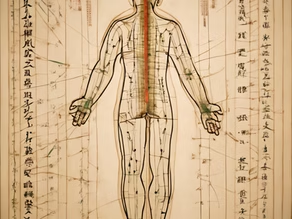
Understanding Acupuncture as a Therapeutic Modality
Restoring balance and stimulating the body's healing systems through energetic precision
Acupuncture is a traditional healing system that involves inserting fine needles at specific points on the body to influence physiological and neurological processes. It is commonly used to support pain relief, stress reduction, and overall balance.
Acupuncture is a therapeutic practice originating from traditional Chinese medicine that involves the insertion of fine, sterile needles at specific points on the body. These points are associated with pathways that influence physical, neurological, and regulatory functions.
Historically, acupuncture is based on the concept of Qi, or vital energy, which is believed to flow through the body along defined channels. When this flow becomes disrupted, it may contribute to discomfort or imbalance. Treatment is intended to restore more consistent flow and support overall function.
From a modern perspective, acupuncture is understood to influence multiple physiological systems. The insertion of needles can stimulate sensory pathways, affect nerve signaling, and promote regulatory responses within the body.
These responses may include:
- Improved circulation
- Modulation of nervous system activity
- Release of endogenous pain-relieving compounds
- Reduction of inflammatory responses
- Support for lymphatic movement
- Activation of relaxation-based physiological states
Acupuncture is commonly used to address a range of conditions, including musculoskeletal discomfort, stress-related tension, sleep disturbances, and digestive imbalance. Its applications extend beyond pain management to include broader support for systemic regulation.
Clinical research has examined acupuncture’s effects on chronic pain, anxiety, and nervous system function. While explanatory models differ between traditional and modern frameworks, both perspectives recognize its potential to influence how the body processes and responds to stress and discomfort.
In practice, acupuncture is often integrated into broader care strategies. It may be combined with other approaches that address structural, behavioral, or regulatory aspects of health, contributing to a more comprehensive treatment model.
When administered by a licensed and properly trained practitioner, acupuncture is considered a safe and minimally invasive method for supporting physical balance, reducing discomfort, and promoting overall well-being.