
Deep Tissue Massage in Lacey WA
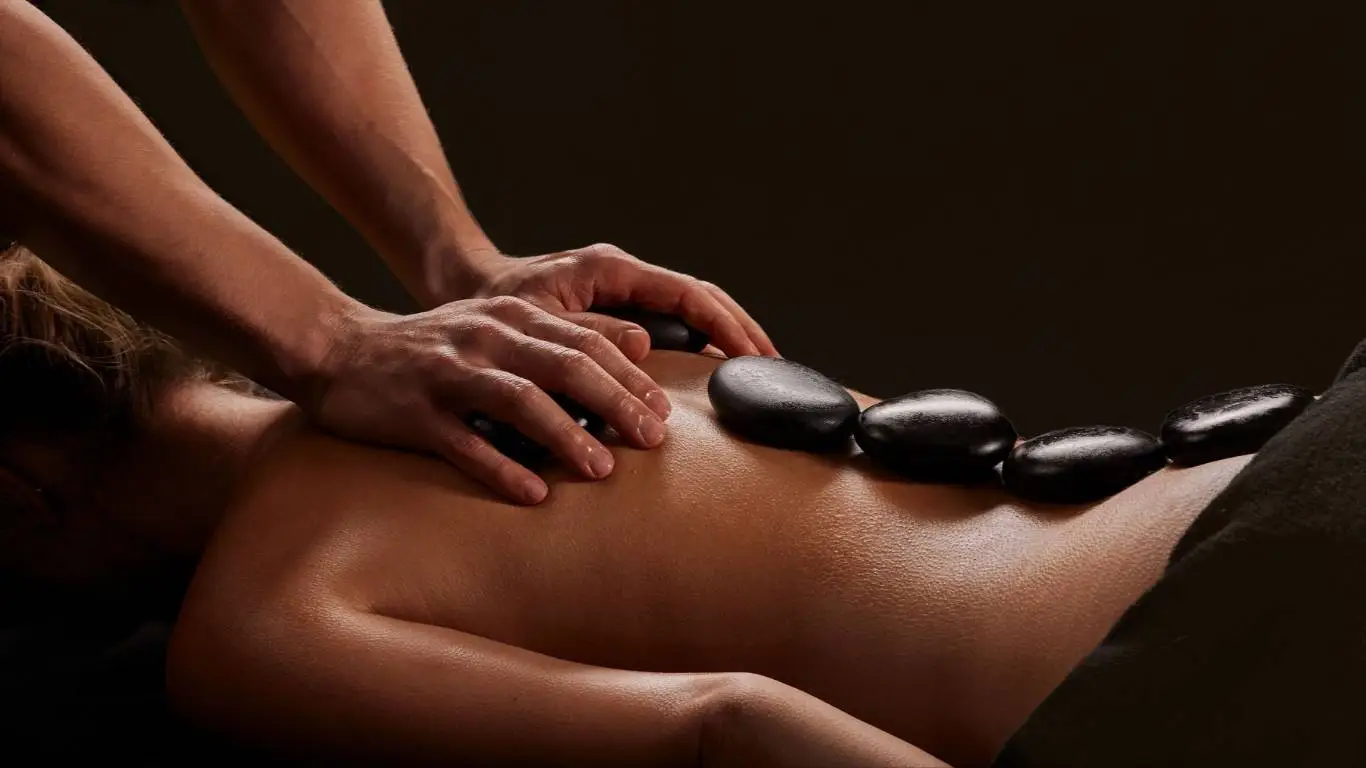
Deep tissue massage in Lacey WA focused on mobility, recovery, and long term muscular relief.
Deep tissue massage in Lacey WA should be more than heavy pressure applied for an hour. It should be focused bodywork that addresses the deeper muscular restrictions, postural strain, and chronic tension patterns that make the body feel guarded, stiff, or difficult to move. Many people searching for deeper massage are not looking for a luxury spa experience. They are looking for relief from tension that keeps returning, pain that interrupts normal movement, or muscular tightness that has become part of daily life.
For clients in Lacey, Hawks Prairie, Woodland, and the surrounding South Sound area, the goal is often simple: find bodywork that is skilled, specific, and useful. Deep tissue massage can support that goal when it is applied with patience and clinical awareness. The work should meet the body where it is, rather than forcing tissue to respond before it is ready. This is why clients seeking deep tissue massage for chronic tension and muscular pain relief are often best served by a therapeutic approach that considers both pressure and function.
What Deep Tissue Massage Actually Means
Deep tissue massage is commonly misunderstood as simply harder massage. In reality, effective deep tissue work is defined by intention, pacing, and tissue specificity. The practitioner works through superficial layers first, then gradually addresses deeper structures where chronic tension, adhesions, and compensation patterns may be held. This can include slower strokes, sustained compression, focused work along muscle fibers, and careful attention to how the body responds under pressure.
The purpose is not to overpower the nervous system. The purpose is to help the body reduce unnecessary guarding. When pressure is too abrupt or too aggressive, the body may brace against it, which can make the work less effective. When deeper work is applied with skill, the tissue has time to soften, circulation improves, and restricted areas can begin to release without creating excessive soreness afterward.
From a physiological standpoint, deep tissue massage influences both the muscular system and the nervous system. Muscle fibers that have been chronically contracted may begin to lengthen, while the nervous system shifts out of a protective state. This dual effect is what allows the body to move differently after the session, not just feel different temporarily.
Common Reasons Clients Seek Deep Tissue Massage Near Lacey
Many clients from Lacey seek deep tissue massage because their body feels locked into a pattern. The shoulders may stay elevated even at rest. The neck may feel compressed by the end of the day. The low back may feel tired from standing, driving, lifting, or sitting too long. The hips may feel tight enough to affect walking, bending, or sleep. These are not always isolated problems. Often, one area becomes overworked because another area is restricted.
Deep tissue massage helps by addressing these patterns directly. Instead of treating the body as separate parts, the session can follow the chain of tension. For example, shoulder discomfort may involve the neck, chest, upper back, and arms. Low back discomfort may involve the hips, glutes, hamstrings, and abdominal tension. The body works as an integrated structure, so useful massage often requires more than chasing the most obvious symptom.
Clients may also seek this work for exercise recovery, physically demanding jobs, chronic stress, or a long standing preference for firmer bodywork. The deeper pressure can be valuable, but only when it is matched to what the tissue can receive. Productive deep tissue massage should feel strong, focused, and responsive, not careless or punishing.
Deep Tissue Massage for Muscle Knots and Trigger Points
One of the most common reasons people request deep tissue work is the presence of muscle knots. These dense, irritable areas can feel like small bands or nodules within the muscle. They may create local tenderness or refer discomfort into nearby areas. For example, tension in the upper trapezius or neck muscles may contribute to headaches, while glute and hip tension may influence low back discomfort.
These patterns often develop through repetitive strain, postural stress, or unresolved muscular fatigue. When a muscle is repeatedly activated without adequate recovery, it may remain partially contracted. Over time, this creates localized areas of increased tone that resist normal movement and circulation.
Deep tissue massage can work well alongside trigger point focused techniques because both approaches address stubborn muscular holding. The difference is that deep tissue work often addresses broader layers of tissue, while trigger point work may focus more specifically on sensitive points within a muscle. Clients who want to understand this relationship more clearly can read about trigger point therapy for muscle knots and referred pain patterns.
What a Deep Tissue Session Can Look Like
A deep tissue session does not need to follow a rigid routine. Some clients need focused work on one or two major areas. Others need full body massage with deeper attention given to the shoulders, back, hips, or legs. The session should be shaped by the client’s goals, the body’s response, and the amount of time available.
In many sessions, the work begins with broader contact to calm the nervous system and assess the tissue. From there, pressure can gradually deepen. This helps prevent the body from bracing and allows the deeper layers to become more accessible. Techniques may include slow gliding strokes, compression, sustained pressure, cross fiber work, and specific attention to areas of restriction.
Breathing, pacing, and communication also play a role. When the client can relax into the work rather than resist it, deeper layers become easier to access. This creates a more efficient session and often leads to longer lasting results.
Deep Tissue Massage and Myofascial Restriction
Many clients who search for deep tissue massage are also dealing with fascial restriction, even if they do not use that language. Fascia is connective tissue that surrounds and supports muscles, nerves, and other structures throughout the body. When fascia becomes restricted, dehydrated, or less mobile, it can contribute to stiffness, reduced range of motion, and a sense of being pulled out of balance.
Deep tissue massage and myofascial work are related, but they are not identical. Deep tissue massage often focuses on deeper muscle layers and chronic muscular tension. Myofascial release tends to focus more specifically on connective tissue restrictions and the way tension spreads through fascial lines. Both can be valuable depending on what the body needs.
For clients who want to understand how these approaches compare, the article on deep tissue massage versus myofascial release for connective tissue restriction offers a useful companion explanation.
Nervous System Response and Recovery
One of the most overlooked aspects of deep tissue massage is its effect on the nervous system. Chronic muscular tension is not only a mechanical issue. It is also a neurological one. The body maintains tension patterns through signaling that reinforces contraction and guarding, especially under stress.
When deep tissue massage is applied effectively, it can help interrupt these signals. The nervous system begins to shift out of a protective state, allowing muscles to release without resistance. This is why effective sessions often feel both physically relieving and mentally calming, even when the pressure is firm.
This neurological component is also why pacing matters. When the body feels safe, it allows deeper change. When it feels threatened, it resists. Skilled deep tissue work recognizes this balance and works within it rather than against it.
Why Lacey Clients Travel for Therapeutic Bodywork
The South Sound region functions as a connected area, and clients often move between Lacey, Olympia, and Tumwater for services that meet their expectations. For therapeutic massage, quality tends to outweigh proximity. Clients are willing to travel when they know the work will be focused, consistent, and effective.
Deep tissue massage is one of the services where this matters most. The difference between general pressure and targeted therapeutic work can significantly affect results. Clients seeking meaningful relief often prioritize practitioners who understand chronic tension patterns rather than simply offering a standard routine.
Deep Tissue Massage for Long Term Relief
One session can reduce tension, improve movement, and create noticeable relief. However, long term patterns often require consistency. When the body has adapted to holding tension, it may return to that state unless the pattern is interrupted repeatedly.
Deep tissue massage supports long term change by gradually reducing the body's reliance on those patterns. As tension decreases and movement improves, the need for compensation also decreases. This allows the body to function more efficiently with less strain.
Over time, clients often find that sessions become less about managing pain and more about maintaining balance. This transition is a key indicator that the work is having a lasting effect.
Deep Tissue Massage in Lacey WA with a Functional Focus
Deep tissue massage in Lacey WA is most effective when it is applied with purpose. It should address the areas that are contributing to tension while also considering how those areas connect to the rest of the body. When done correctly, it supports both immediate relief and long term improvement.
For clients seeking deeper work, the goal is not just intensity. The goal is function. A well executed session should leave the body feeling less restricted, more mobile, and better able to handle the demands placed on it. This is what separates effective deep tissue massage from work that simply feels intense without producing meaningful change.